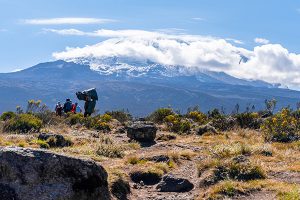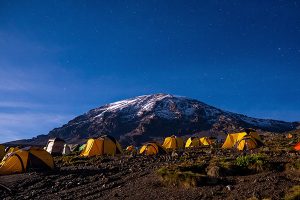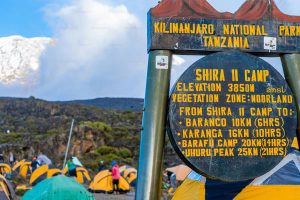
Choosing the right hiking boots is one of the most important decisions you'll make when preparing to climb Mount Kilimanjaro. Your boots will carry you across rainforests, rocky trails, alpine deserts, loose scree, and the icy summit slopes. Wearing the wrong footwear can lead to blisters, sore feet, cold toes, and an uncomfortable trek.
A quality pair of hiking boots provides comfort, stability, warmth, and confidence throughout your climb. Whether you're a beginner or an experienced trekker, investing in proper footwear greatly increases your chances of reaching Uhuru Peak successfully.
This guide explains everything you need to know about choosing the best hiking boots for Mount Kilimanjaro.
Why Are Good Hiking Boots Important?
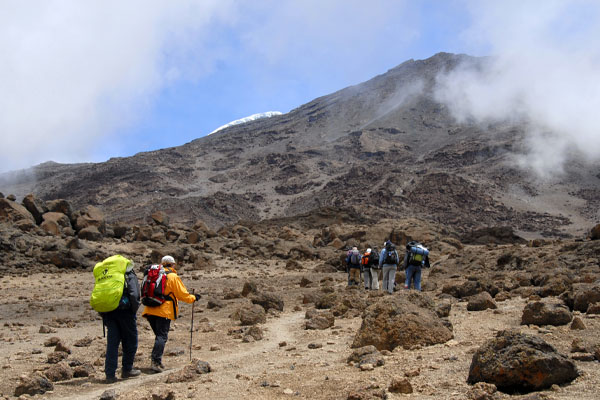
During a Kilimanjaro climb, you'll hike between 50 and 90 kilometers (31–56 miles) over 5 to 9 days, depending on your chosen route.
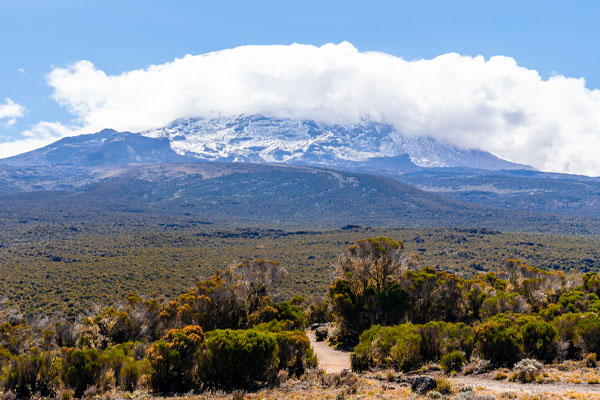
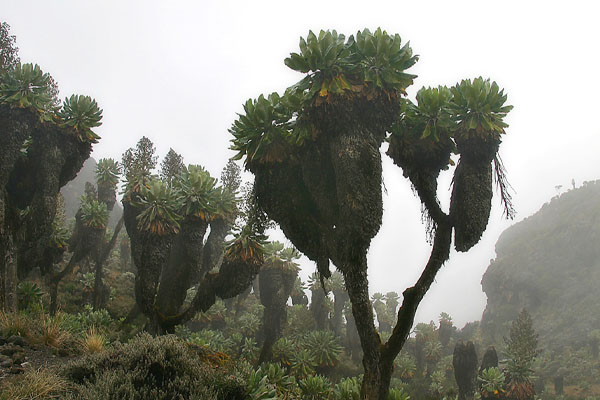
The trail passes through several climate zones, including:
- Rainforest
- Moorland
- Alpine Desert
- Arctic Summit Zone
Your boots must handle:
- Mud
- Rain
- Rocks
- Gravel
- Steep climbs
- Loose volcanic scree
- Cold temperatures
- Snow and ice near the summit
Good boots protect your feet while reducing fatigue and the risk of injury.
What Type of Boots Do You Need?
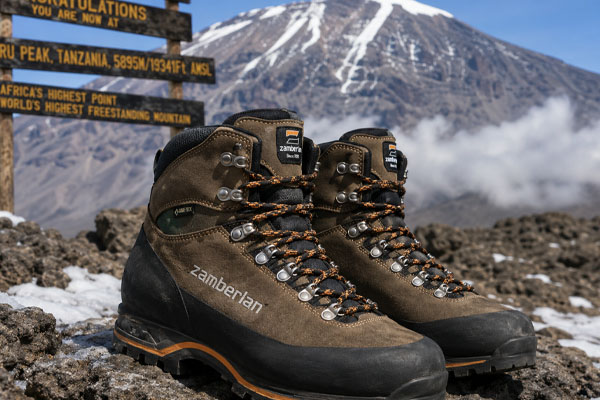
The ideal boots for Kilimanjaro are:
- Midweight or heavyweight hiking boots
- Waterproof
- Breathable
- Mid- or high-cut for ankle support
- Durable rubber outsole
- Good traction
- Comfortable for long-distance trekking
Avoid lightweight trail-running shoes or fashion boots, as they do not provide enough protection for the mountain.
Waterproof Boots Are Essential
Weather on Kilimanjaro can change quickly. You may encounter rain in the rainforest, wet grass, muddy paths, or melting snow.
Waterproof boots help keep your feet dry, reducing the risk of blisters and cold feet.
Look for boots with waterproof membranes such as:
- Gore-Tex®
- eVent®
- Other waterproof-breathable technologies
Dry feet mean happier feet during a multi-day climb.
Ankle Support Matters
Uneven terrain, rocks, and steep descents place stress on your ankles.
High-cut hiking boots provide:
- Better stability
- Improved balance
- Reduced risk of ankle sprains
- More confidence when carrying a daypack
For most climbers, mid- or high-cut boots are recommended.
Proper Boot Fit
Your boots should feel secure without being too tight.
When trying on boots:
- Wear hiking socks.
- Leave about a finger's width of space in front of your toes.
- Make sure your heel stays in place.
- Walk on stairs or an incline to check for pressure points.
Remember that your feet may swell slightly during long hikes.
Should You Buy New Boots?
Yes—but never wear brand-new boots for the first time on Kilimanjaro.
Break them in by:
- Walking around your neighborhood
- Taking day hikes
- Wearing them on weekend treks
Aim for at least 30–50 km (20–30 miles) of use before your Kilimanjaro expedition.
Hiking Socks Matter Too
The right socks work together with your boots.
Choose:
- Merino wool hiking socks
- Synthetic moisture-wicking socks
- Medium-weight trekking socks
Avoid cotton socks because they retain moisture and increase the risk of blisters.
Bring at least 4–5 pairs of hiking socks for the climb.
Gaiters: Do You Need Them?
Gaiters are optional but highly recommended.
They help keep:
- Mud
- Dust
- Sand
- Small rocks
- Snow
out of your boots, especially during the summit ascent and on rainy days.
Boot Features to Look For
A good pair of Kilimanjaro boots should include:
- Waterproof construction
- Breathable lining
- Vibram® or high-grip rubber sole
- Deep tread pattern
- Cushioned midsole
- Protective toe cap
- Heel support
- Strong lacing system
- Durable materials
These features improve comfort and performance throughout the trek.
Common Mistakes to Avoid
Many climbers make avoidable footwear mistakes, including:
- Wearing brand-new boots
- Choosing boots that are too small
- Using cotton socks
- Bringing worn-out footwear
- Wearing running shoes
- Ignoring hot spots and blisters
Proper preparation prevents many foot problems.
Caring for Your Boots During the Climb
Keep your boots in good condition by:
- Cleaning off mud each evening
- Loosening the laces after hiking
- Allowing them to air out
- Keeping them away from direct flames
- Storing them in a dry place overnight
If your boots become wet, stuff them with dry clothing or newspaper (if available) to help absorb moisture.
Can You Rent Hiking Boots?
Some Kilimanjaro operators offer hiking boot rentals, but availability, sizes, and condition vary.
If possible, bring your own boots so you can break them in before your trip.
Frequently Asked Questions
Can I climb Kilimanjaro in running shoes?
No. Running shoes do not provide the ankle support, waterproofing, or traction needed for Kilimanjaro.
Do I need waterproof boots?
Yes. Waterproof boots are strongly recommended due to changing weather conditions.
Should I wear leather or synthetic boots?
Both work well. Leather boots are durable and water-resistant, while synthetic boots are lighter and dry faster.
How many pairs of boots should I bring?
One well-broken-in pair is sufficient. Some climbers also bring lightweight shoes or sandals to wear around camp.
Are heavy mountaineering boots necessary?
No. Standard waterproof trekking boots are suitable for most Kilimanjaro climbs.
Expert Tips from Kilimanjaro Guides
Experienced mountain guides recommend:
- Break in your boots well before departure.
- Wear quality hiking socks every day.
- Pack blister plasters or moleskin.
- Trim your toenails before the climb.
- Tighten your boot laces before steep descents.
- Carry lightweight camp shoes for relaxing after hiking.
Final Thoughts
Your hiking boots are one of the most important pieces of gear you'll bring to Mount Kilimanjaro. A comfortable, waterproof, well-fitted pair of trekking boots can make the difference between an enjoyable adventure and a painful experience.
Combined with quality socks, proper foot care, and regular training, the right boots will help you tackle every section of the mountain—from the lush rainforest to the snow-covered summit of Uhuru Peak—with confidence.